DUBAI VEHICLE RECOVERY · CALLS ANSWERED 24/7
Car Recovery and Towing in Dubai
Arrange car recovery in Dubai with a clear plan for collection, loading and delivery. From a non-starting car outside your home to a scheduled workshop transfer, tell us what needs moving and where it needs to go. Call 056 552 2588 any time to discuss your vehicle and current availability.
What car recovery involves
Car recovery is the organised collection and movement of a vehicle that cannot, or should not, complete the journey under its own power. The work starts before a truck reaches the pickup point. Vehicle details, access conditions and the destination all influence how the collection should be arranged. A useful booking therefore includes more than a request for the nearest tow truck.
Our Dubai recovery enquiries focus on Al Quoz, Business Bay and Jumeirah, with other locations discussed directly. You can contact us for an unexpected breakdown or a planned transfer. We ask about the car’s condition and its position so the transport requirement can be understood. Mechanical repairs, replacement parts and workshop diagnosis are separate from recovery unless specifically agreed as part of the scope.
Breakdowns and non-starting vehicles
A car may fail to start after being parked, stop during a journey or develop a problem that makes continued driving unsuitable. When you call, explain what happened and where the vehicle is now. Mention warning messages, visible damage or a previous inspection if those details are available. There is no need to invent a diagnosis; accurate observations are more useful.
Tell the team whether the car can roll, whether the steering moves and whether the parking brake can be released. These points can affect loading even when the original problem appears minor. If you are waiting for advice from a mechanic, say so. Recovery can then be discussed as a transport arrangement to your chosen destination, without confusing a roadside assessment with a confirmed repair.
Flatbed transport enquiries
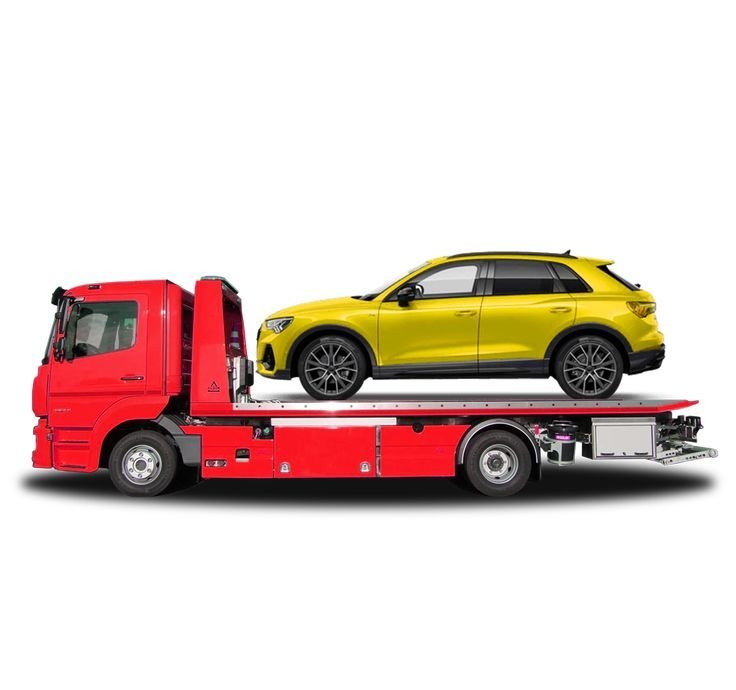
Flatbed transport carries a vehicle on a platform rather than relying on it to travel normally on the road. Whether it is appropriate for your car depends on the manufacturer’s requirements, the vehicle’s condition and the equipment available for the collection. Ask about the proposed method when arranging the job, especially if the car has a specialised drivetrain or low clearance.
Provide the model, approximate size and any modifications that could affect loading. A lowered bumper, damaged wheel or restricted approach angle should be identified in advance. A platform alone does not solve every access problem: the recovery vehicle still needs enough room to position and load. Confirm that both the pickup point and destination can accommodate the planned arrangement before treating a quotation as a complete booking.
Automatic, electric and all-wheel-drive cars
Different vehicles have different transport requirements. Automatic transmissions, all-wheel-drive systems and electric drivetrains are reasons to identify the exact make and model when requesting recovery. The correct handling method should follow the vehicle manufacturer’s guidance rather than a general assumption that all cars can be moved in the same way.
Mention any relevant warning or condition, including a depleted traction battery, a vehicle that will not enter neutral or a parking brake that remains engaged. Do not try to force a control simply to make the car easier to collect. Explain the issue during the call so equipment and loading arrangements can be reviewed. If you have instructions from the manufacturer or an authorised workshop, share those with the team before collection is confirmed.
Low-clearance and damaged vehicles
Ground clearance affects the approach to loading. A sports car, modified suspension or an extended front bumper can require additional planning even when the vehicle is otherwise working normally. Tell us about these features when requesting a quotation, and make clear if the car is on a slope or behind a raised entrance.
Damage also changes the job. A broken suspension component, loose panel or wheel that cannot rotate needs to be discussed before a recovery vehicle is assigned. Describe what is visible without attempting to move damaged parts yourself. Where the car has been involved in an incident, confirm that any required release or instructions have been obtained before arranging removal. Recovery availability for unusual conditions must be checked individually; it should never be assumed from a standard service description.
Basements, compounds and restricted parking
Parking access is one of the most important details in a recovery enquiry. A location pin may identify a building while leaving the actual vehicle several levels below it. Provide the parking level, entrance, height limit and any barrier or security arrangements. Explain the route from the car to an accessible collection point.
For an industrial compound, confirm the gate number and the person who can authorise entry. For a private building, speak to security or the property contact about access arrangements. Not every recovery vehicle can enter every basement or manoeuvre in a narrow aisle. The team needs to assess those restrictions before dispatch. If a different method is necessary to bring the car to a suitable loading area, that work should be discussed explicitly rather than included by assumption.
Garage transfers and scheduled collections
A planned garage transfer is easier to coordinate when both locations know what is happening. Give the releasing workshop’s contact, the receiving workshop’s address and a collection window that suits the agreed arrangements. Confirm that keys are available and that the vehicle is ready to leave before the recovery booking begins.
Explain whether the car is fully assembled and able to roll. A vehicle undergoing repairs may have removed parts or a different condition from the one originally described. Ask the workshop to provide the practical loading information if you are unsure. For a repeat business requirement, identify each vehicle separately so keys, addresses and instructions are not mixed. Scheduled transport should have a clear scope for each trip, including any extra stops or special handover requirements.
Roadside assistance enquiries
Drivers sometimes ask for recovery when they first need advice about a battery, tyre or another roadside problem. Describe the situation and ask which assistance can be arranged. Availability depends on the vehicle, location and nature of the fault. A phone conversation cannot establish that every non-starting car only needs a jump-start or that every tyre problem can be resolved at the pickup point.
If roadside work is being considered, confirm exactly what is included and whether parts or additional services are required. If the car needs workshop attention instead, discuss recovery to a suitable destination. Our service pages do not promise every repair or specialist rescue service. Clear expectations help you choose the right next step and prevent an enquiry about a simple issue becoming an unclear transport booking.
Understanding recovery quotations
A recovery quotation should describe the actual journey and the work needed to move the vehicle. Distance is one factor, alongside the car’s condition, access, timing and loading requirements. Give complete pickup and delivery details before comparing prices, because two quotations may cover different work.
Ask whether the price includes the identified access arrangement and whether any waiting or additional handling has been discussed. If the destination changes after booking, contact the team for an updated scope. Avoid assuming that vehicle storage, repairs, passenger transport or an extra journey are automatically included. A clear quotation is useful because it connects the amount to the agreed job. The team can discuss your request by phone and confirm the arrangement before collection proceeds.
From the first call to delivery
Call 056 552 2588 with your location and vehicle details. We discuss the condition, access and intended destination, then confirm availability and the quotation. Keep a contact available at the pickup point and tell us immediately if the vehicle has moved or another arrangement has been made.
At collection, point out any damage or instructions that matter to loading. The destination contact should be expecting the vehicle and know where it can be placed. If the owner will not attend, establish who is authorised to release and receive the car. These simple details are the basis of an organised handover. After delivery, any mechanical assessment or repair remains a matter to agree with the receiving workshop. Recovery completes the transport stage of the process.
Questions before you book
Is this service only for emergencies?
No. You can enquire about scheduled vehicle transport, workshop transfers and non-running car collection as well as unexpected breakdowns. Confirm the date and collection window directly.
What details affect the equipment needed?
Vehicle model, weight, clearance, wheel condition, steering, parking brake and access restrictions can all matter. Explain anything unusual before accepting the collection arrangement.
Can a car be collected without its owner present?
Discuss the arrangement in advance. The person releasing the car should be authorised and available, with the keys and correct destination details.
Do you provide a fixed towing price online?
No universal price is listed because jobs differ. Call with the pickup address, destination and vehicle condition for a quotation matching your requirement.
Which areas should I mention when calling?
Give the exact pickup location. Al Quoz, Business Bay and Jumeirah are our main focus, and the team can confirm availability for other requested areas.
Can I book outside normal office hours?
Calls are answered 24/7. Tell us the required timing and destination access so the team can confirm the transport arrangements rather than assuming every workshop is open.